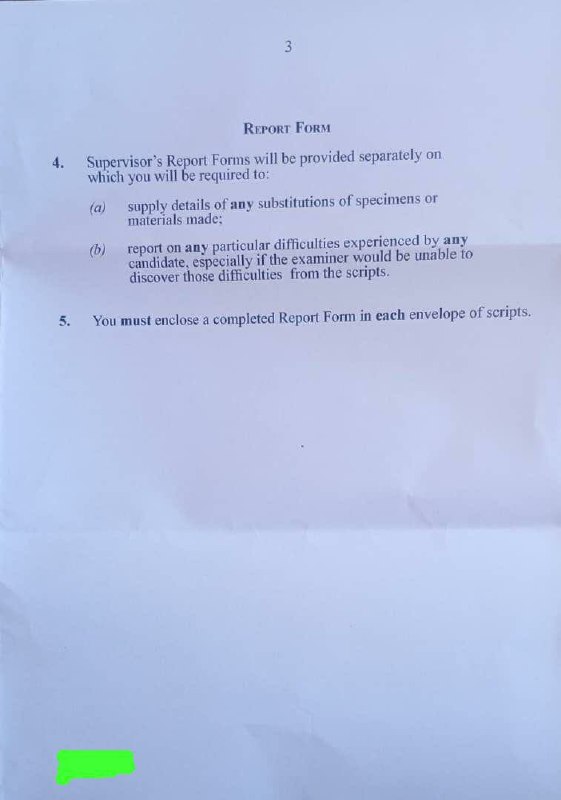
WAEC 2026 Livestock Farming Practical Specimen Questions and Answers
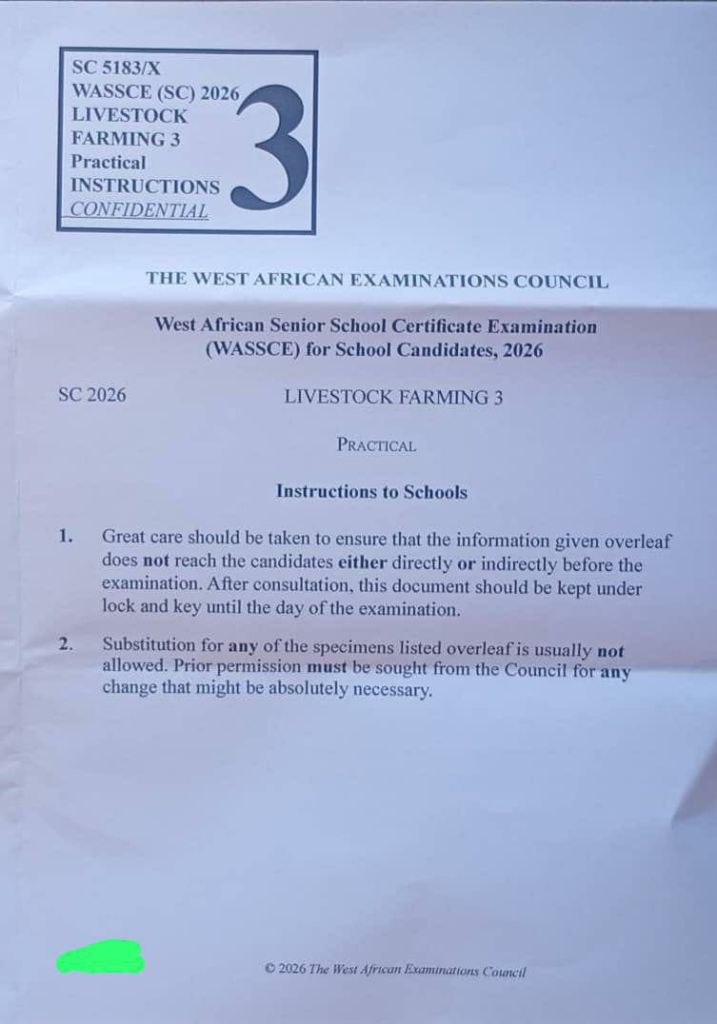
The WAEC 2026 Livestock Farming Practical is a very important paper for Nigerian students who want high scores in Agricultural Science. By studying likely WAEC Livestock Farming Practical specimen 2026 questions and answers in advance, you will understand the tools, organs and management practices you will meet in the exam hall.
This guide collects well-structured WAEC 2026 Livestock Practical answers to common specimen-based questions so you can revise faster and stay confident before the exam day.
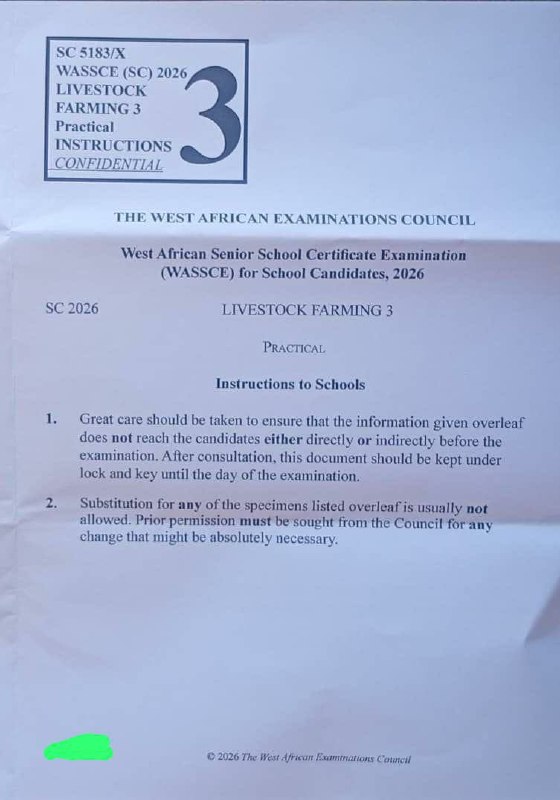
WAEC 2026 Livestock Farming Practical Specimens Provided
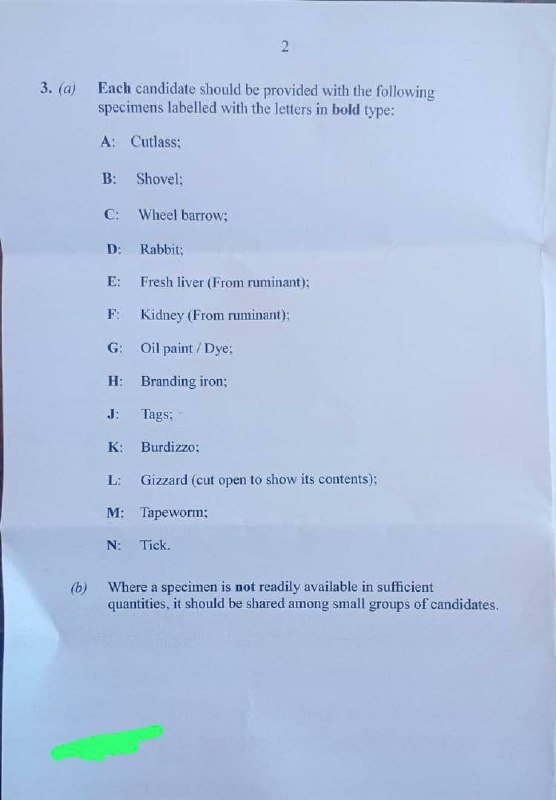
SPECIMENS PROVIDED:
A – Cutlass | B – Shovel | C – Wheelbarrow | D – Rabbit | E – Fresh liver (ruminant) | F – Kidney (ruminant) | G – Oil paint/Dye | H – Branding iron | J – Tags (ear tags) | K – Burdizzo | L – Gizzard (cut open, contents visible) | M – Tapeworm
SECTION A: TOOLS AND EQUIPMENT
QUESTION 1 (12 marks)
(a) Identify specimens A, B, and C.
(b) State one use of each specimen (A, B, C) in livestock farming.
(c) Give three maintenance practices for specimen B.
(d) Name two parts of specimen C that need regular lubrication.
(e) State one farming operation where specimen A can be used instead of specimen B.
ANSWERS TO QUESTION 1:
(a) A – Cutlass, B – Shovel, C – Wheelbarrow
(b) A – Clearing bushes/small trees for paddocks; B – Removing manure/deep litter; C – Transporting feed/manure
(c) B – Clean after use, oil metal parts, store in dry place, sharpen edge (any 3)
(d) C – Axle and wheel bearings
(e) Clearing light vegetation (cutlass) vs digging (shovel)
QUESTION 2 (15 marks)
(a) Identify specimens G, H, J, and K.
(b) State one specific use of each specimen (G, H, J, K) in animal husbandry.
(c) Give two advantages of specimen J over specimen H.
(d) State two disadvantages of specimen H.
(e) Mention two safety precautions when using specimen K.
(f) Name one age range of animals for which specimen K is most effective.
ANSWERS TO QUESTION 2:
(a) G – Oil paint/dye; H – Branding iron; J – Ear tags; K – Burdizzo
(b) G – Navel treatment/marking; H – Permanent branding; J – Animal identification; K – Castration
(c) J advantages: Less painful, reversible, no hide damage
(d) H disadvantages: Painful, infection risk, hide devaluation
(e) K precautions: Clean before use, check alignment, do not use on sick animals
(f) 2–6 months (lambs/kids)
SECTION B: ANATOMY, PHYSIOLOGY, AND PARASITOLOGY
QUESTION 3 (12 marks)
(a) Identify specimen D.
(b) State three external features of specimen D that classify it as a rodent.
(c) Give four reasons why specimen D is reared in captivity.
(d) Name two breeds of specimen D common in West Africa.
(e) State two common diseases affecting specimen D.
ANSWERS TO QUESTION 3:
(a) Rabbit
(b) Continuously growing incisors, long ears, short tail, strong hind limbs
(c) Meat, fur/wool, laboratory research, manure production, quick reproduction
(d) Chinchilla, New Zealand White, Flemish Giant
(e) Coccidiosis, snuffles (pasteurellosis), myxomatosis
QUESTION 4 (13 marks)
(a) Identify specimens E and F.
(b) State one function of specimen E in a living ruminant.
(c) State one function of specimen F in a living ruminant.
(d) Give four observable differences between specimen E and specimen F.
(e) Name two diseases that can be diagnosed by examining specimen E at post-mortem.
(f) Name two diseases that can be diagnosed by examining specimen F at post-mortem.
(g) State one way a farmer can keep specimen E healthy.
ANSWERS TO QUESTION 4:
(a) E – Liver; F – Kidney
(b) E – Detoxification, bile production, storage of glycogen/vitamins
(c) F – Filtration of blood, excretion of urea, osmoregulation
(d)
| Feature | Liver (E) | Kidney (F) |
|---|---|---|
| Shape | Irregular, large lobe(s) | Bean-shaped |
| Colour | Reddish brown | Dark red/brown |
| Texture | Soft, friable | Firm |
| Internal structure | Homogeneous | Visible cortex/medulla |
| Presence of gall bladder | Attached (in some) | None |
(e) Liver diseases: Fascioliasis (liver fluke), fatty liver, abscess
(f) Kidney diseases: Nephritis, kidney stones, pyelonephritis
(g) Provide clean water, balanced feed, deworm regularly
QUESTION 5 (16 marks)
(a) Identify specimens L and M.
(b) From which class of farm animals (avian, ruminant, pig) would you obtain specimen L?
(c) State the natural diet of the bird that produces specimen L.
(d) What does the content of specimen L suggest about the bird’s feeding habit?
(e) Identify the habitat of specimen M inside a host.
(f) Name the definitive host and intermediate host for specimen M in cattle.
(g) State three signs of specimen M infestation in livestock.
(h) Give four control measures for specimen M on a farm.
ANSWERS TO QUESTION 5:
(a) L – Gizzard (avian); M – Tapeworm
(b) Avian (birds)
(c) Grains, grit, plant material
(d) Presence of grit/stones indicates mechanical digestion
(e) Small intestine
(f) Definitive: Cattle/sheep; Intermediate: Soil mites/pasture mites
(g) Weight loss, scouring, poor coat, segments in faeces
(h) Rotate pastures, deworm regularly, avoid overstocking, proper manure disposal, break life cycle
SECTION C: HYGIENE, DISEASE PREVENTION, AND FARM PRACTICES
QUESTION 6 (11 marks)
(a) From the specimens provided, name one used for:
(i) Bloodless castration (ii) Land clearing for paddocks (iii) Removing manure from pens (iv) Transporting animal feed (v) Permanent animal identification (vi) Temporary marking of animals
(b) Explain why specimen G is applied to the navel of newborn animals.
(c) State two reasons why specimen G is preferred over hot branding on a commercial rabbit farm.
(d) Name one specimen (other than G) that can be used for wound dressing in livestock.
ANSWERS TO QUESTION 6:
(a) (i) K – Burdizzo; (ii) A – Cutlass; (iii) B – Shovel; (iv) C – Wheelbarrow; (v) H – Branding iron; (vi) G – Oil paint/dye
(b) Dries and disinfects the navel, preventing infection (omphalitis)
(c) Less stress on rabbits, no damage to delicate skin
(d) Specimen G only (no other specimen in the list is suitable for wound dressing)
QUESTION 7 (7 marks)
(a) List three specimens used in restraining animals.
(b) State one reason why specimen C should not be overloaded.
(c) What type of farming injury can result from improper use of specimen A?
(d) How would you sterilize specimen K before use?
ANSWERS TO QUESTION 7:
(a) None of the specimens is a restraining tool
(b) To prevent damage, reduce accidents, prolong life of the wheelbarrow
(c) Cut wounds/lacerations
(d) Dip in disinfectant (e.g., methylated spirit) or boil in water
How to Pass WAEC Livestock Farming Practical
Use these quick tips to make the most of these WAEC Agric practical 2026 questions and answers and boost your performance in the practical exam:
- Study all specimens (A–M) and practice identifying their uses, parts and safety precautions without looking at your notes.
- Memorise key functions of internal organs like the liver, kidney and gizzard, and be able to explain differences in simple, clear sentences.
- Link each tool or organ to a real-life farm situation so that exam questions become easy to understand and answer.
- Practise writing full, correct WAEC 2026 Livestock Farming Practical answers under timed conditions before the exam day.
- Revise past questions regularly and discuss tricky specimens with friends or teachers so you do not forget important points.
With steady practice and careful study of these WAEC 2026 Livestock Farming Practical specimen 2026 notes, you can enter the exam hall bold and ready to score high.

Leave a comment